Builder Spotlight
RK Knows: C3 Corvette (1968–1982) — Chrome Bumpers, Big-Blocks, and Which Years Hold Value
- By
- RK Motors
- Published
- October 21, 2026

Short answer: a C3 Corvette (1968–1982) is worth anywhere from the mid-teens for a driver-quality late-’70s small-block coupe to $40,000–$85,000 for a strong chrome-bumper big-block, with the rare L89, LS6, ZR1, and L88 cars climbing from roughly $125,000 to well past $400,000. The dividing line that matters most is the bumper. Chrome-bumper cars built from 1968 through 1972 average roughly twice what the 1974–1982 rubber-bumper cars bring, and at RK Motors they make up nearly three out of every four C3s we’ve sold.
This is the next chapter in our Corvette generation series. It picks up where our C2 Corvette guide left off, builds on the generation-by-generation view in The Corvette Ladder, and puts the entire 15-year C3 run into one reference, backed by RK Motors’ own sold history and current public market benchmarks.
What RK Motors’ Own Sales Data Shows
RK Motors’ public sold archive currently lists 64 sold 1968–1982 Corvettes. Broken down by model year:
Here’s what that data tells us:
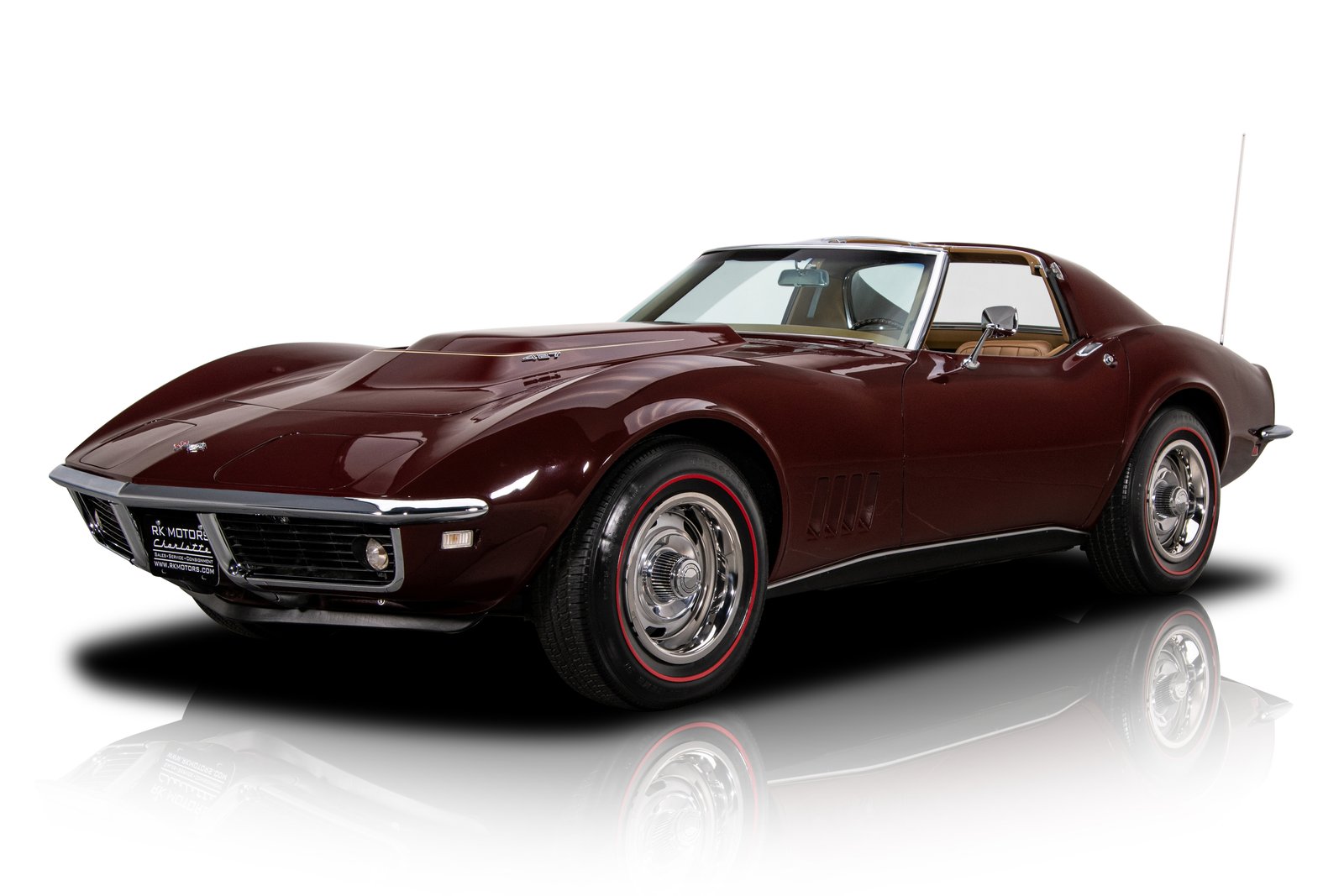
- Chrome bumpers dominate, far beyond their share of production. Chevrolet built 133,449 Corvettes from 1968 through 1972, about 25% of the roughly 542,000 C3s produced. Yet those years account for 47 of our 64 C3 sales, or 73%. Collector demand is concentrated almost three-to-one in the cars with less than a quarter of the supply.
- 1968 and 1969 are the core of the market. Those two years alone produced 28 of our C3 sales (44%). They’re the last years of the 427 and the purest expression of the original Mako Shark-inspired design.
- Big-blocks drive the factory-correct side. Of the 38 factory-style (non-restomod) chrome-bumper C3s we’ve sold, 28, or 74%, were big-block cars (427 or 454). Every 1968 C3 we’ve sold was a 427, and eight of our big-block C3s were 435-horsepower L71 or aluminum-head L89 cars.
- Documentation is common at the top. Nine of our sold C3 listings cited NCRS Top Flight, Bloomington Gold, Triple Diamond, or Duntov recognition in the headline alone, and 16 led with “numbers-matching.” Every one of those 16 numbers-matching cars was a big-block or an LT1.
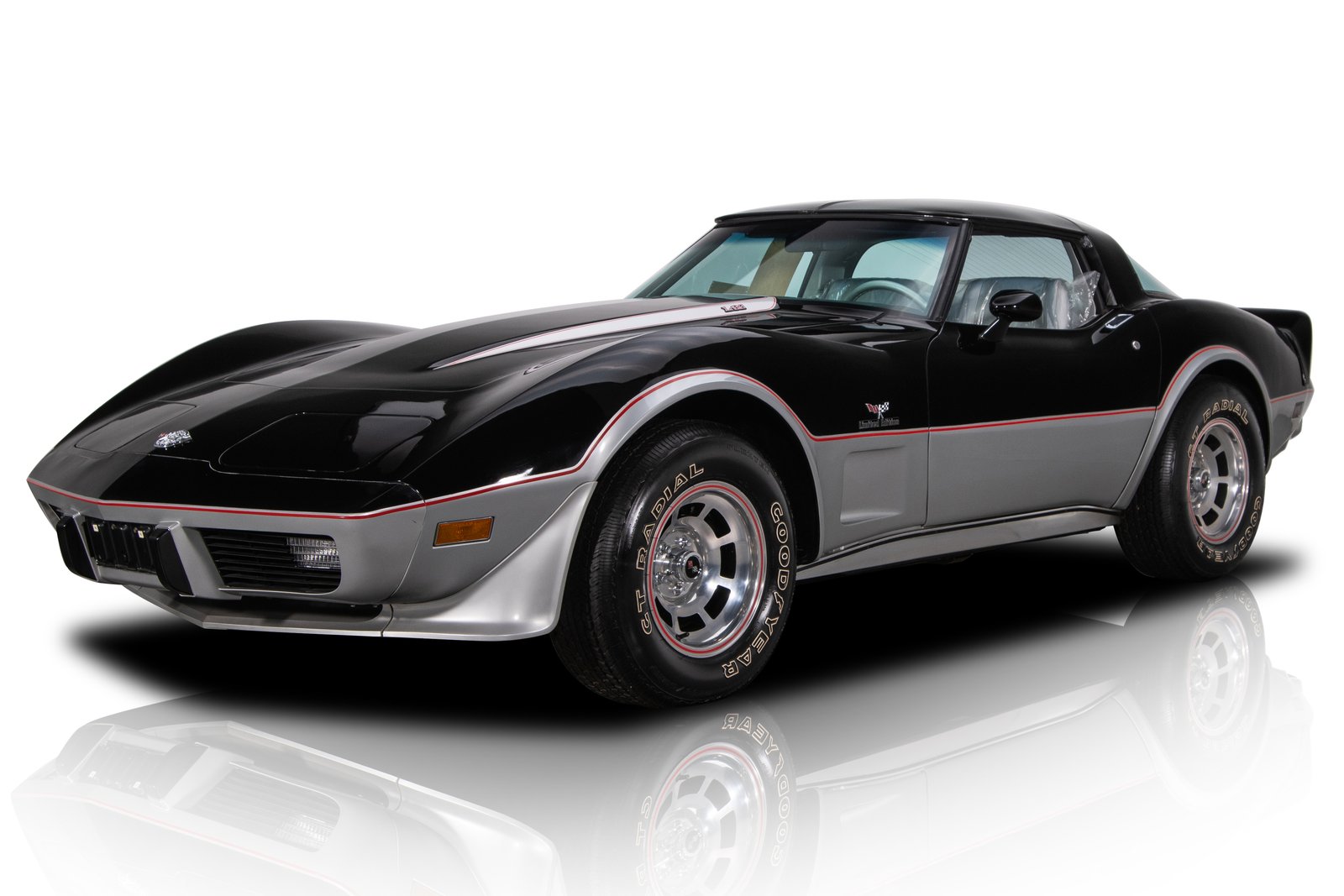
- Rubber-bumper cars sell on originality and mileage. Nine of our 17 sold 1973–1982 cars headlined their actual mileage, and seven of those showed fewer than 20,000 miles, including a 42-mile 1978 Pace Car and a 5-mile 1979 L82. Big-blocks matter here too: four of the 17 were 1973–1974 big-block cars, the last big-block Corvettes Chevrolet built.
- Restomods are the fastest-growing part of our C3 business. Restomods and custom builds make up 13 of our 64 sold C3s (20%). But they account for 8 of our 15 most recent C3 sales (53%), compared with just 5 of the 49 sales before that (10%). The C3’s affordable entry price, separate frame, and big engine bay make it an ideal restomod platform, and our buyers have noticed.
Methodology note: counts come from RK Motors’ public sold-inventory listings for 1968–1982 Chevrolet Corvettes as of October 2026. “Restomod,” “big-block,” and mileage classifications are based on each listing’s published headline. “Most recent” is based on listing order in the archive. Production figures are Chevrolet’s published totals.
Chrome Bumper vs. Rubber Bumper: The Value Gap in Numbers
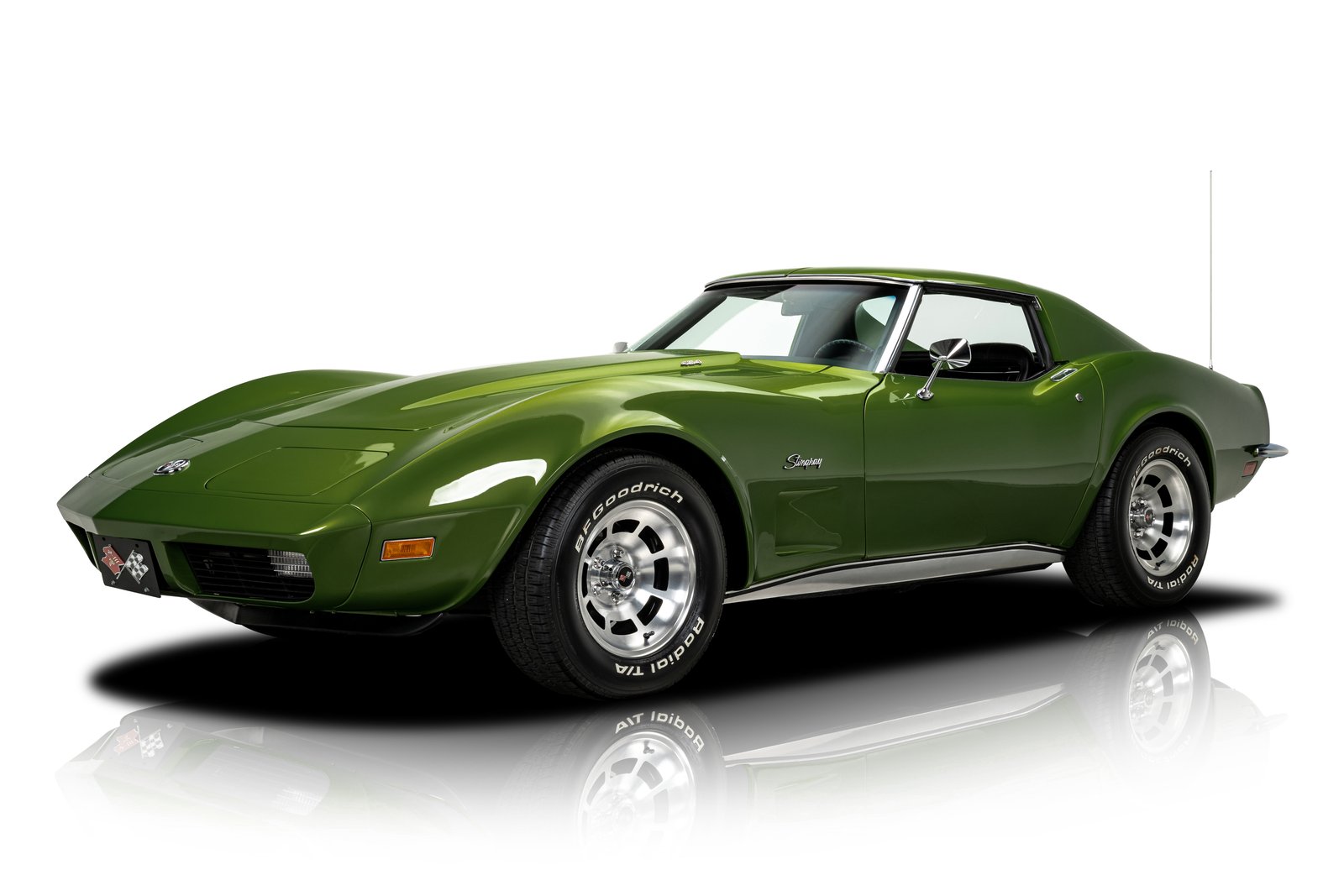
The C3’s styling changed in two steps. For 1973, Chevrolet replaced the chrome front bumper with a body-colored urethane nose to meet new 5-mph impact standards, while keeping the chrome rear bumper. For 1974, the rear went urethane too. Collectors treat 1968–1972 as the “chrome-bumper” era, with 1973 as a one-year transition car.
CLASSIC.COM’s average sale prices for standard-variant C3s show how wide the gap is:
Averaged together, the five chrome-bumper years come to about $36,100. The four rubber-bumper years in the table average about $17,100. That’s a premium of roughly 2.1x before options, engine codes, or documentation enter the picture. The 1968 average alone is about 2.8 times the 1979 average.
Part of that gap is horsepower. By 1975, emissions equipment and the move to net ratings had cut the base L48 350 to 165 horsepower, and the big-block was gone after 1974. Part of it is supply: 1979 set the all-time C3 production record at 53,807 cars, more than either 1968 or 1970 by a wide margin. The rubber-bumper cars that do command a premium are the ones with something unrepeatable: very low miles, a special edition, or a 454.
The C3 Price Ladder: What Each Tier Is Worth Right Now
Like the C2, the C3 market is best understood as a ladder. Each rung is defined mainly by bumper era, engine option, and documentation. Benchmarks below are CLASSIC.COM average sale prices and Market Benchmark values as of October 2026, plus Van Steel’s April 2026 market analysis. They represent typical good examples; tired drivers trade below them and judged, documented cars above.
Rung 1: Late rubber-bumper drivers
This is the most affordable way into a classic Corvette. The 1975–1982 cars were built in huge numbers, and CLASSIC.COM’s averages for standard examples sit in the mid-teens. Van Steel’s analysis puts clean driver-quality C3s at roughly $15,000–$45,000 depending on year and condition. For buyers who want the Coke-bottle shape, T-tops, and a car they can drive without worry, this rung makes sense. Just don’t buy one expecting it to behave like a chrome-bumper big-block in the market.