Builder Spotlight
1967–1968 Ford Mustang: Fastback vs. Convertible
- By
- Velocity Restorations
- Published
- October 20, 2026
- Updated
- October 21, 2026
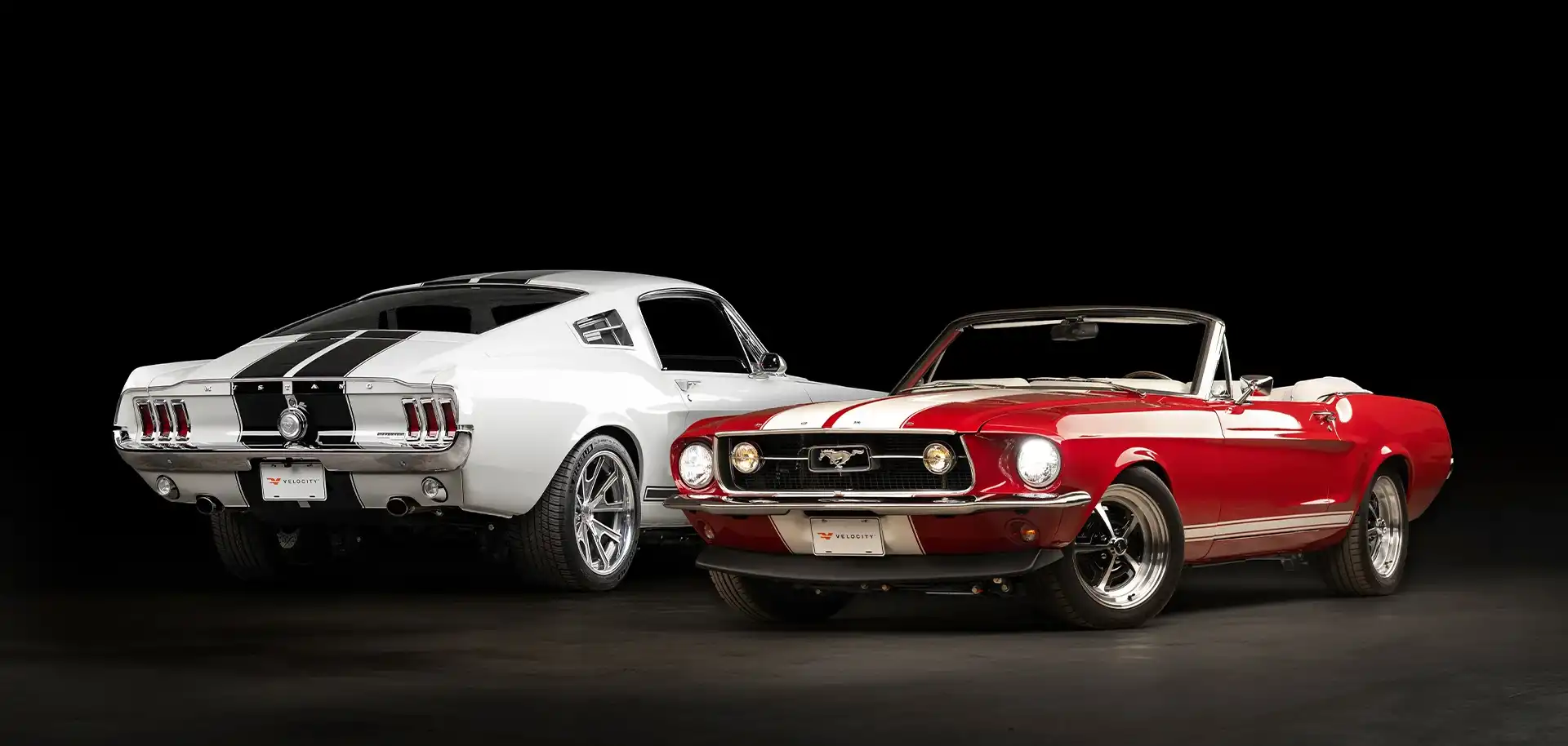
The iconic Ford Mustang first hit the streets in the mid-1960s and was an instant hit. The company’s plan of creating a youthful, sporty vehicle was perfectly pitched to an era when America was undergoing dynamic change.
Ford had created more than a successful new vehicle. It had established an entirely new kind of American performance car.
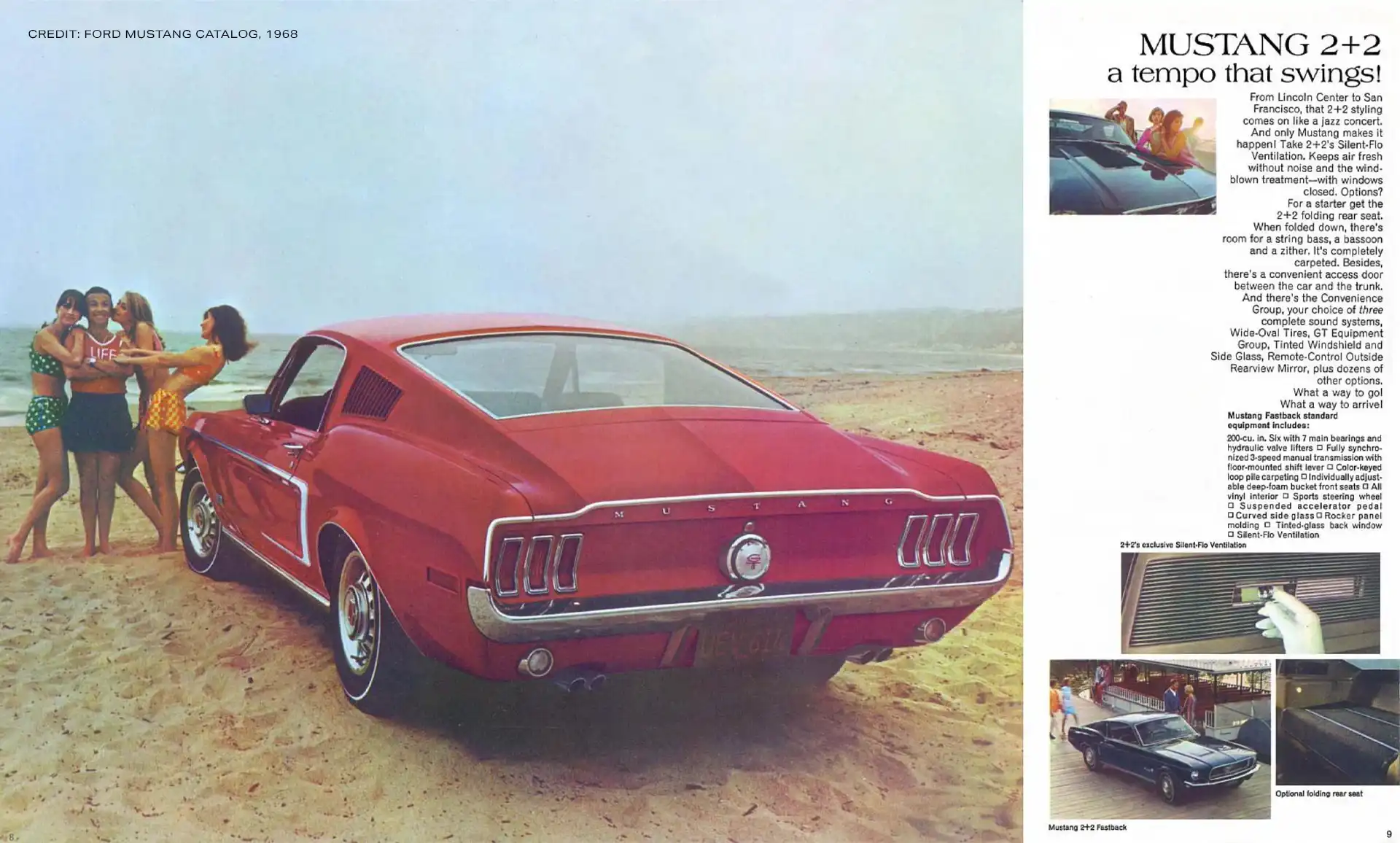
But nothing can stay the same forever in the car business, so Ford redesigned the Mustang for 1967, giving it a larger body, more substantial styling, and room for a broader range of engines. The changes preserved the spirit of the original while giving the Mustang greater presence and performance potential.
Buyers could choose from several body styles, but two remain especially desirable today: the 1967–1968 Mustang fastback and the 1967–1968 Mustang convertible.
The difference extended well beyond appearance. Each offered a distinct driving experience and expression of the Mustang’s character, a distinction that remains important to collectors and enthusiasts today.
The 1967–1968 Mustang Fastback: Commanding by Design
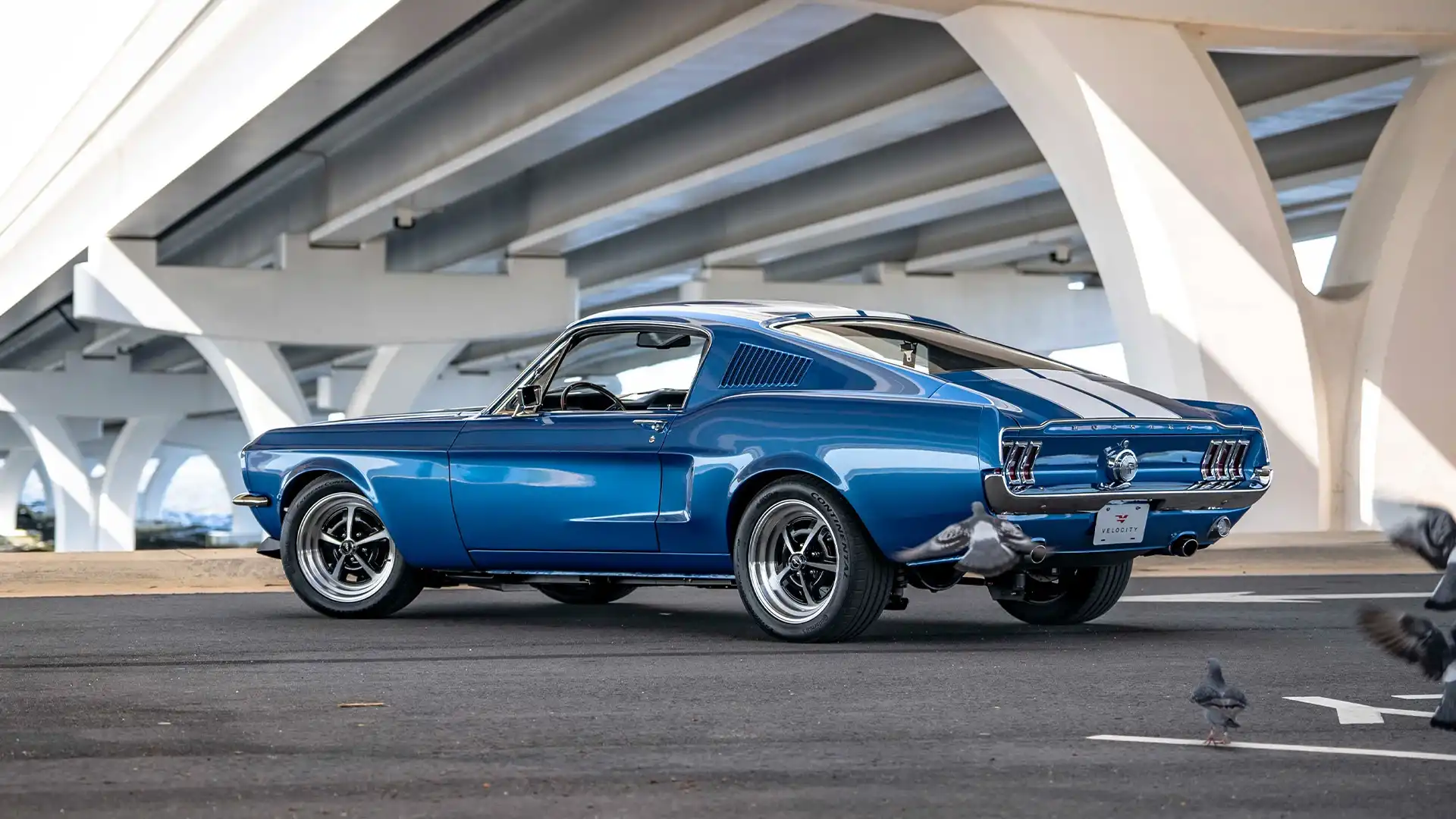
The 1967 Mustang fastback immediately distinguished itself from earlier Mustangs with a more dramatic roofline. Ford extended the fastback roof farther toward the rear of the car, creating a profile that remains one of the most recognizable designs in classic Mustang history. The body style gained lasting cultural significance when a Highland Green 1968 Mustang GT fastback appeared alongside Steve McQueen in the film Bullitt.
For the 1967 Mustang refresh, buyers could choose from six-cylinder engines and several V8s. Importantly, the redesign created more space under the hood for Ford’s larger V8 engines. These included the 390-cubic-inch V8 offered in 1967 and the legendary 428 Cobra Jet introduced during the 1968 model year. With a factory rating of 335 horsepower, the Cobra Jet further established the Mustang as a formidable performance car.
Today, the 1967–1968 Mustang fastback provides a compelling foundation for a re-engineered classic.. Its sweeping roofline, muscular proportions, and performance-oriented character translate naturally to modern wheels, tires, and engineering while preserving the design that made the original legendary.
The 1967–1968 Mustang models are also part of the Mustang’s first generation, further contributing to their desirability. They occupy an interesting position between the original Mustang and the later cars that would go on to define the muscle-car era in America.
The 1967–1968 Mustang Convertible: Open-Air by Nature
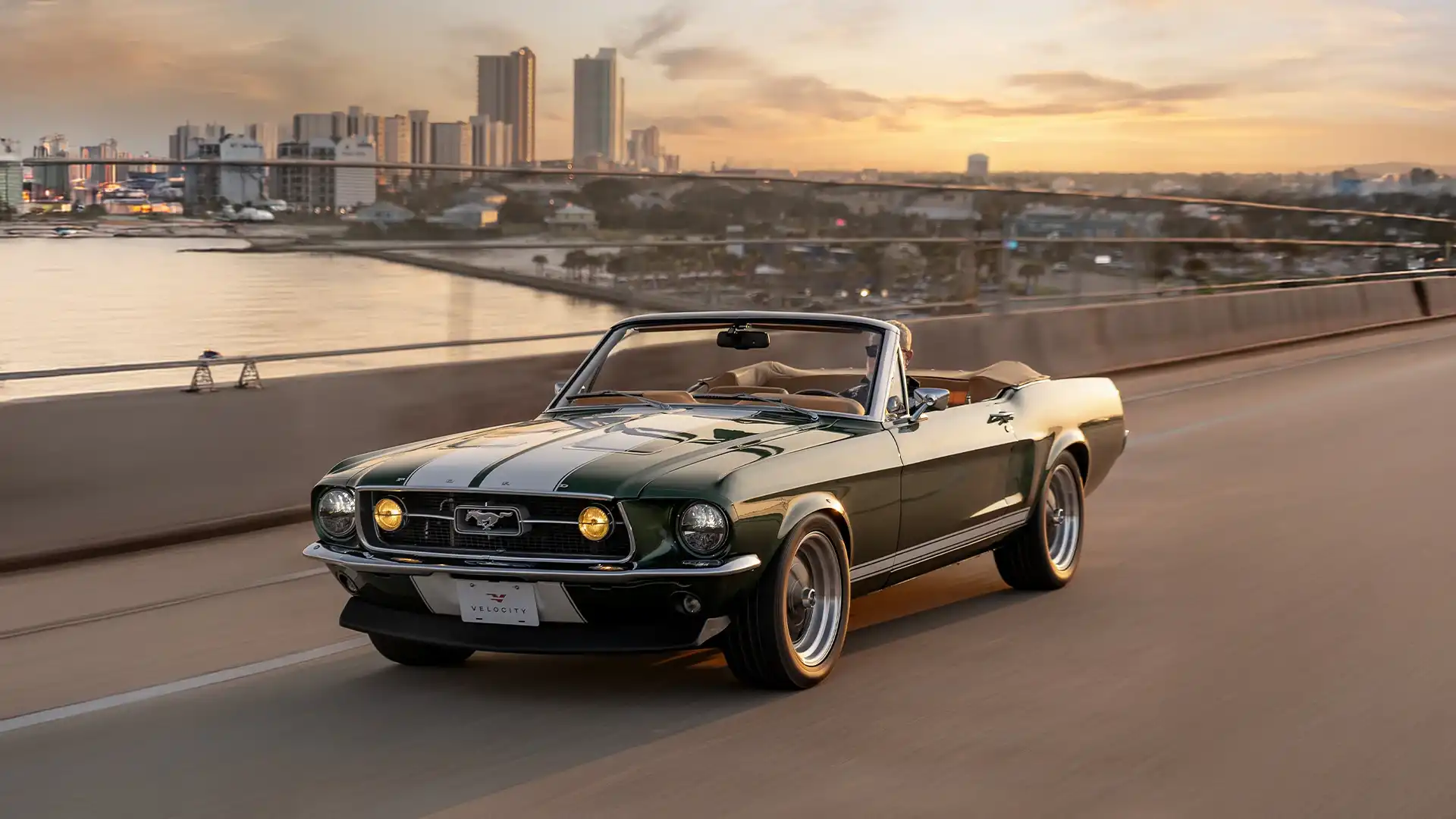
The 1967 Mustang convertible offers a different expression of the same iconic design. Its top-down experience lends itself naturally to relaxed coastal drives and winding back roads, while its bold proportions and available V8 power preserve the unmistakable character of the 1967–1968 Mustang.
The convertible wasn’t produced in the same numbers as the fastback, so finding the right example, particularly one with a sound body and well-documented history, can require patience. The reward is a classic Mustang that makes the experience of the journey every bit as important as the destination.
Of course, a convertible presents considerations that a fastback does not. The body structure, weather seals, top mechanism, drainage systems, and interior all require careful inspection when evaluating a vintage vehicle. Even when comprehensively updated, a convertible top and its related components require more care than a fixed roof.

Model
Builders and sellers
Programs
For sale
Related stories
- Velocity’s Guaranteed Christmas Delivery on Available Inventory
- Why the 1967–68 Ford Mustang Fastback Is So Desirable
- How a Classic Recreations Shelby Is Built: Then vs Now
- The History Of The Shelby Mustang: From Track Weapon To Modern Continuation
- What Is Carbon Fiber—and Why Classic Recreations Uses It
- Understanding the ‘Eleanor’ Movie Car — History, Myths, and Why Licensed Shelby Builds Are Different