Builder Spotlight
What to Look For Before You Buy a First-Generation Chevrolet K5 Blazer
Know what matters before buying a first-gen K5 Blazer, from rust and condition to originality, history, and restoration potential.
- By
- Velocity Restorations
- Published
- October 20, 2026
- Updated
- October 21, 2026
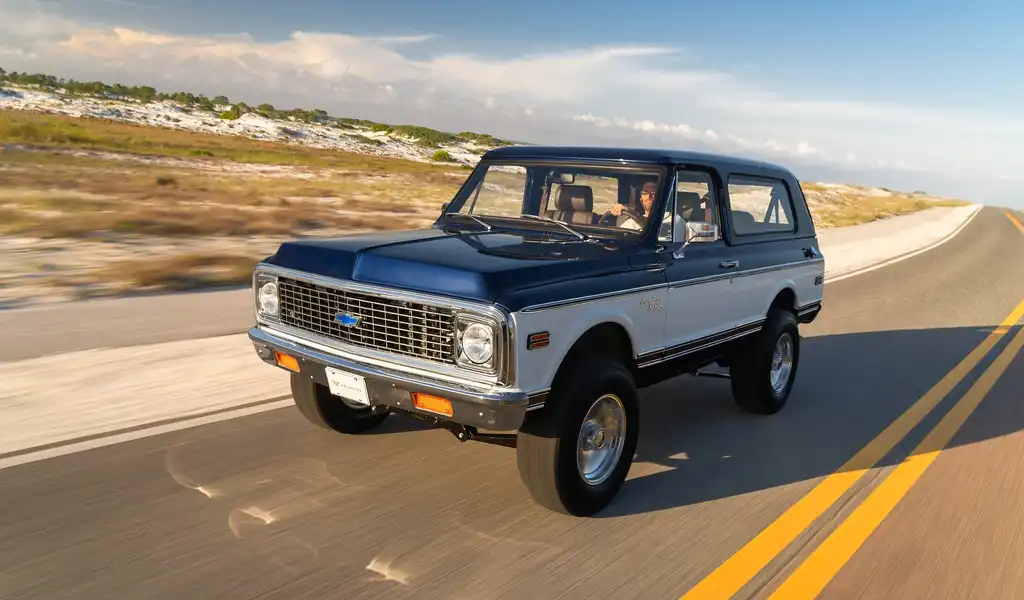
The Chevrolet K5 Blazer belongs to an elite group of highly collectible SUVs that helped define the American sport utility vehicle, especially during a period from the late 1960s through the early-to-mid 1970s.
The legendary K5 Blazer is often in the same conversation as first-generation Ford Broncos and International Scout IIs when it comes to choosing a vintage American vehicle.
Produced for just four model years between 1969 and 1972, the first-generation Chevrolet K5 Blazer represents the original vision of Chevrolet's full-size SUV. Although Chevrolet continued building the K5 Blazer for decades, the 1969–1972 models stand apart because they represent the original body style before the platform grew larger for the second generation.
Today, those early trucks remain among the most sought-after by collectors and enthusiasts, offering unmistakable styling and an exceptional foundation for a professionally re-engineered classic.
Because Velocity specializes exclusively in first-generation K5 Blazers, this guide focuses on what buyers should know before purchasing one, from understanding the model years to evaluating condition and restoration potential.
Comparing the Chevy K5 Blazer to Other Vintage SUVs
Built for everything from backcountry trails to weekend cruising, the original K5 Blazer combined the utility of a truck with the freedom of an open-air SUV. Their boxy styling made them unmistakable, while their removable tops, relatively powerful engines for the era, and rugged four-wheel-drive systems made them formidable competitors to the Jeep CJ and Ford Bronco.
As with many SUVs from this period, the vehicles were not babied. Owners put them to use offroading, beachcombing, and on farms and ranches. Completely pristine original examples are extremely rare.
What that means for today's buyers is that virtually every vintage SUV comes with similar restoration challenges, from decades of wear and tear to age-related mechanical issues. While each has developed a loyal following, the first-generation K5 Blazer stands apart for its larger proportions, truck-based capability, and unmistakable styling.
However, whether you're searching for a first-generation Chevrolet K5 Blazer, considering a classic Blazer restoration, or looking for a professionally built K5 Blazer restomod, understanding the basics can help you make a smarter purchase.
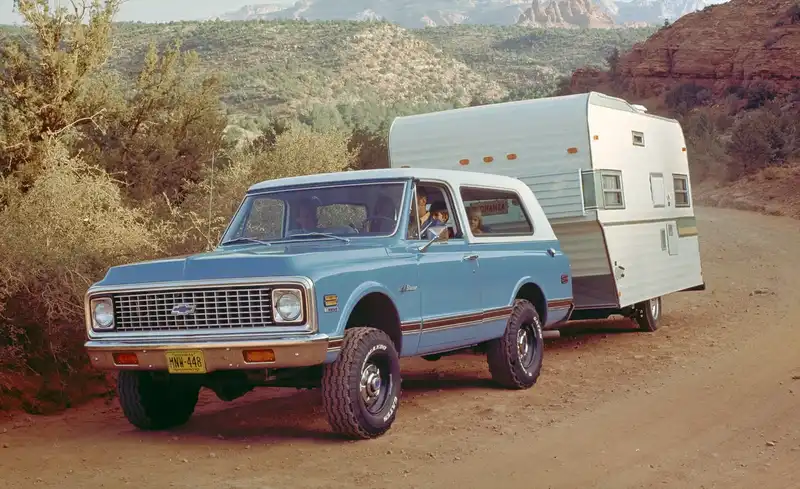
First Generation: 1969–1972 Chevrolet K5 Blazer
Introduced for the 1969 model year, the Blazer was Chevrolet's answer to the growing demand for compact, versatile four-wheel-drive vehicles. It was based on the C/K pickup platform but featured a shortened wheelbase and a unique SUV body.
The first-generation K5 Blazer had a simple, rugged design with a removable roof, relatively compact dimensions, and a commanding stance. It was available with rear-wheel drive or four-wheel drive, giving buyers flexibility depending on how they planned to use the vehicle.
For collectors and enthusiasts, the earliest K5 Blazers remain among the most desirable. The 1969 model year in particular carries special appeal because it embodies the original design. Collectors typically fixate on originality, including the body, drivetrain, interior, and factory equipment.
But well-preserved originals are few and far between. Modified K5s from 1969, on the other hand, can be superb candidates for a complete restomod, retaining the original’s style while upgrading steering, brakes, the engine and transmission, and adding a more luxurious interior and modern technology.
The early years of the 1970s continued the first-generation formula but introduced engine and equipment options. Powertrains featured both six- and eight-cylinder motors.
From the standpoint of a restoration, swapping these original engines for a contemporary V8 is relatively straightforward. So for many buyers, 1970–1972 K5 Blazers represent an excellent balance of early-generation styling and restoration potential.
Understanding the First-Generation Model Years
Although Chevrolet only produced the first-generation K5 Blazer for four model years, there are subtle differences worth understanding when shopping for one. Fortunately, there are no "bad" years within the first generation. Buyers should focus less on chasing a specific model year and more on finding the strongest possible foundation.
• 1969 models are especially desirable because they represent the Blazer's debut and carry historical significance.
• 1970–1972 models benefited from incremental refinements while maintaining the same iconic design. Engine and equipment choices expanded, giving buyers additional flexibility without changing the character that made the original K5 so distinctive.
One reason the 1969–1972 Chevrolet K5 Blazer remains so desirable today is that it provides an exceptional platform for restoration and re-engineering. Built on Chevrolet's proven C/K truck chassis, the first-generation K5 combines body-on-frame durability with a relatively simple mechanical design that makes it well suited for thoughtful modernization.
Understanding Chevy K5 Blazer Trim Levels
Compared to modern vehicles, first-generation K5 Blazers were refreshingly straightforward. Buyers chose between two- or four-wheel drive, inline-six or V8 engines, manual or automatic transmissions, and either a removable hardtop or optional soft top.
Today, most buyers place far greater importance on overall condition than on the original option sheet. Rust-free sheet metal, a solid frame, and quality restoration work typically matter far more than whether a truck left the factory with a particular engine or transmission.
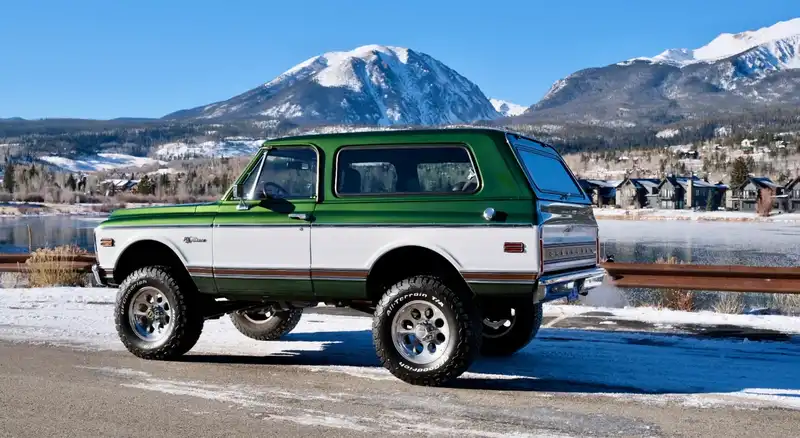
What to Look For When Buying a Chevy K5 Blazer
Rust and body condition are critically important to assess. This is true of any classic vehicle, but because K5 Blazers can date back to the late 1960s, you’re dealing with decades of exposure to all manner of weather conditions.
Rust isn’t just common in these older vehicles, it’s to be expected. You’ll want to carefully inspect areas such as floorboards, wheel wells, the inside of fenders, and bottoms of doors. Paint can hide rust, so look closely. If a K5 doesn’t show much rust, it’s probably worth paying extra for.
Beyond rust, inspect the frame carefully for accident damage, poor-quality repairs, or excessive corrosion. Because many K5 Blazers spent decades off-road or towing, suspension mounting points, steering components, and drivetrain parts deserve close inspection as well.
When evaluating a vehicle for purchase, also request any available documentation on engine swaps or transmission upgrades. Drivetrain replacements are a complicated process, so unless they were undertaken by a qualified mechanic or experienced builder, you should be cautious.
Service records, restoration receipts, photographs, and ownership history can provide valuable insight into how the vehicle has been maintained and whether previous work was completed to a high standard.
No matter the age or condition of a K5 Blazer, unless it was restored or modified, chances are good that the interior will not be in great shape. But even if it has been upgraded, pay close attention to the quality of the work.
Model
Builders and sellers
Programs
For sale
Related stories
- Velocity’s Guaranteed Christmas Delivery on Available Inventory
- Square Body Trucks: Complete 1973–1987 Chevy & GMC Guide
- Top Gear Reviews the Velocity Ford Mustang Fox Body
- Velocity Restorations vs. Classic Ford Broncos: A Buyer’s Comparison
- 1967–1968 Ford Mustang: Fastback vs. Convertible
- International Scout Restoration: Why Velocity Builds the Ultimate Scout II Restomod